Informational content only. Wristsfaunaox is an educational meal organization consultancy in New York, USA. We are not licensed healthcare providers and do not offer medical, nutritional, or dietary advice. Individual experiences vary. Paid service pricing is confirmed before purchase.

Kitchen Organization

Organize Storage Into a Working System

Effective meal organization begins before cooking starts. When ingredients, tools, and surfaces follow a logical layout, daily kitchen tasks become easier to manage. This page describes general organizational methods — not health or dietary guidance.

Request Organization Guidance
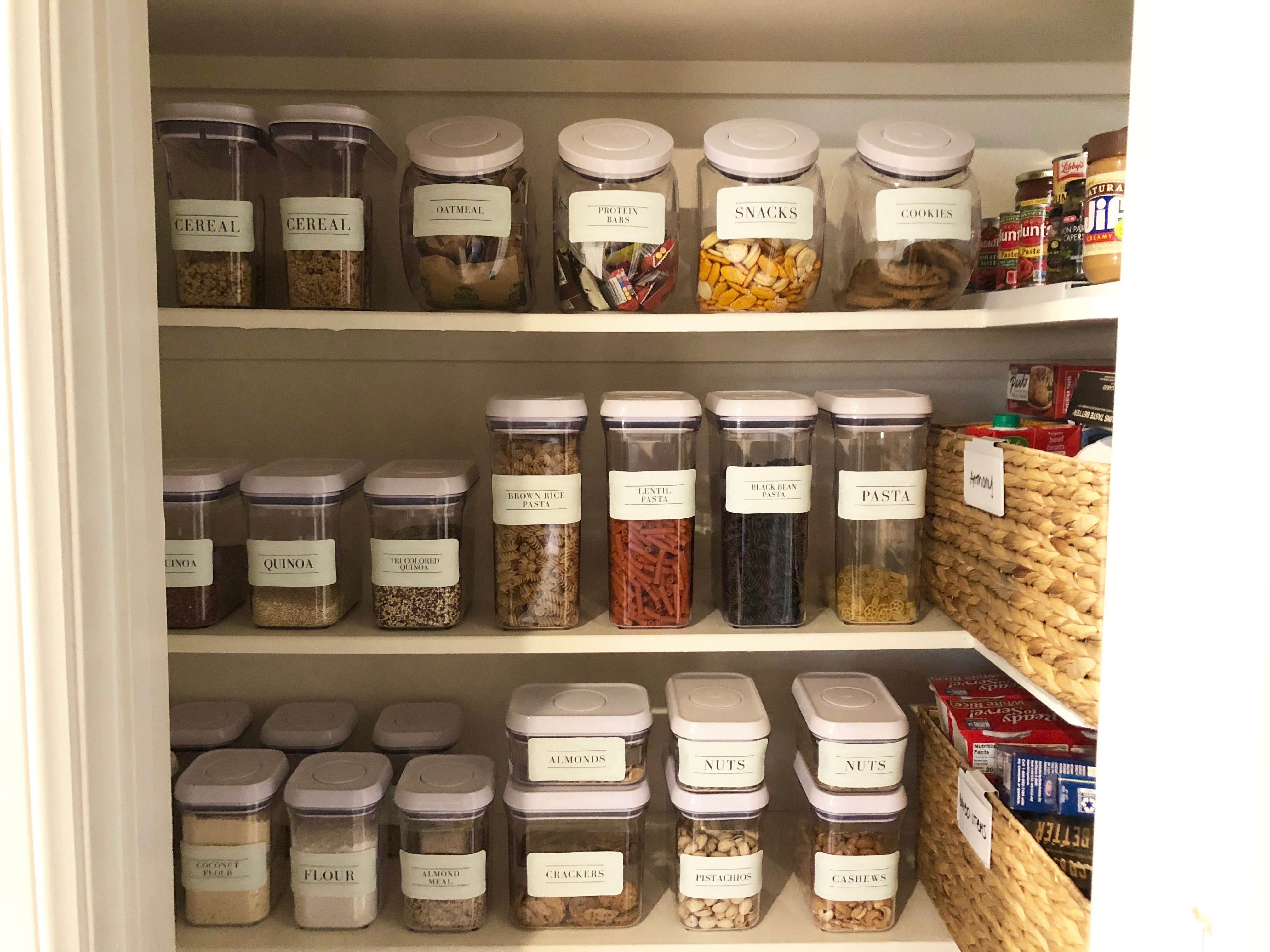
Well-labeled pantry shelves with clear containers grouped by food category

Five Zones That Support Daily Flow

Assigning purpose to each area of your kitchen reduces search time and prevents cross-contamination of tasks during busy periods.

The Zone Principle

Every functional kitchen can be divided into intake, storage, preparation, cooking, and cleanup zones. Items live closest to where they are used. This principle applies regardless of kitchen size — from studio apartments to full suburban layouts.

During consulting sessions, we walk through your space virtually or in person to sketch a zone map. The goal is visibility: you should know within seconds where any commonly used item resides.

Intake Zone

The area where groceries land after shopping. A dedicated counter or table section for sorting items before they move to permanent storage prevents bags from lingering for days.

Cold Storage Logic

Refrigerator shelves arranged by use frequency and food type. Upper shelves for ready-to-eat items, lower drawers for produce, door compartments for condiments with shorter lifespans once opened.

Labeling

Consistent Naming Conventions

Labels serve as memory aids for every household member. We recommend a simple hierarchy: category name, open date, and optional use-by reminder. Avoid abbreviations that only one person understands.

Digital label templates included in our educational workbooks use a uniform font size and color code by storage zone — green for dry goods, blue for refrigerated, amber for freezer contents.

Label Elements Checklist

  • Item name in plain language

  • Date opened or purchased

  • Storage zone identifier

  • Optional portion or quantity note

Rotation

First-In, First-Out Discipline

Stock rotation prevents waste and keeps ingredients fresh. When restocking, move older items to the front and place new purchases behind them. This habit takes less than a minute per shelf but compounds into meaningful savings over months.

Our organization programs include a monthly rotation audit worksheet. The audit takes approximately fifteen minutes and covers pantry, refrigerator, and freezer sections sequentially.

Rotation Audit Steps

  1. Remove expired or stale items immediately
  2. Reposition remaining stock by open date
  3. Update labels where dates have faded
  4. Note categories running low for shopping list
  5. Record observations in weekly reflection log

Choosing Vessels That Match Your Habits

Container selection affects how willingly you maintain organization. Uniform shapes stack efficiently; transparent sides eliminate guesswork.

Dry Goods Jars

Wide-mouth glass or BPA-free plastic jars for grains, legumes, and baking supplies. Square profiles maximize shelf space compared to round containers.

Bin Groupings

Open bins for snacks, baking add-ins, or breakfast items. Bins create portable categories you can pull out during prep and return afterward.

Freezer Portion Packs

Flat freezer bags or stackable containers for pre-portioned proteins and batch-cooked components. Flat freezing saves vertical space and speeds thawing.

Documenting Movement Through Your Kitchen

A workflow map traces the path ingredients take from arrival to plate. Identifying bottlenecks — such as a crowded prep counter or distant spice rack — reveals targeted improvements.

A

Arrival Path

Trace grocery bags from entry door to sorting surface to final storage location. Minimize steps and avoid placing heavy items on upper shelves during unloading.

B

Prep Path

Ingredients move from storage to prep zone to cooking surface. Tools needed for chopping should live within arm's reach of the primary cutting board.

C

Cleanup Path

Dirty dishes route to sink or dishwasher zone without crossing the prep area. A clear cleanup path prevents re-contamination of clean surfaces.

D

Return Path

Leftovers transfer to labeled containers and return to appropriate cold storage within two hours of cooking completion.

Seasonal Adjustment Calendar

Kitchen organization is not static. Seasonal produce availability, holiday cooking periods, and summer travel all shift how your storage systems should behave.

We provide quarterly review prompts in our consulting packages. Each prompt covers three questions: What categories expanded? What tools moved to storage? What labels need updating?

Adapting Storage Across the Year

Spring often brings lighter produce requiring crisper drawer reorganization. Fall may increase baking supply volume. Winter holidays temporarily demand extra serving ware accessibility.

Rather than rebuilding your entire system seasonally, maintain a modular approach: core zones stay fixed while seasonal modules plug in and out as needed.

Non-Essential but Helpful Additions

These tools support organization but are not required. Start with zones and labels before investing in accessories.

Tool

Label Maker

Thermal printers produce durable labels that withstand refrigerator humidity better than handwritten tape.

Tool

Shelf Risers

Expand vertical visibility in deep cabinets by elevating back-row items above front-row containers.

Tool

Lazy Susans

Corner cabinet access improves with rotating platforms for spices and condiments.

Tool

Drawer Dividers

Separate utensils by function so prep tools remain distinct from serving and measurement items.

Tool

Over-Door Racks

Utilize unused door interiors for foil, wrap, and lightweight pantry overflow without consuming counter space.

Practical Questions About Kitchen Systems

Initial setup typically requires one focused weekend for an average household kitchen. Maintenance thereafter averages thirty minutes weekly for rotation checks and label updates.

No. We recommend phased adoption — start with your most frequently accessed category, such as grains or snacks, and expand container uniformity over several shopping cycles.

Absolutely. Compact kitchens gain the most from zone clarity because every inch matters. Vertical storage, multi-use surfaces, and wall-mounted racks become especially valuable.

Our service provides guidance, templates, and optional virtual walkthroughs. Physical cleaning or decluttering labor is not included. We focus on systems design and educational support.

Interested in Kitchen Organization Guidance?

Contact our team for optional consulting or self-paced educational workbooks. Pricing is shared before any purchase. We do not provide medical or dietary services.